Ecomuseums offer a new and original way to learn about the lives of ordinary people, as well as the traditions, customs, and crafts of specific places and villages; they serve as a venue for preserving the natural and cultural heritage of local communities.
The Vaso Ré and Magli Valley ecomuseum area is located in Val Grigna, a side valley of the Media Valle Camonica, within the Adamello Park, a mountainous area of high environmental value.
It is nestled between the historic centers of Bienno and Prestine, which have preserved the original architectural features of the ancient villages.
These places retain intact the traces of their long history and ancient economy: examples include the forges and historic buildings, the 15th-century mill, the Venetian sawmill, the hermitage, the churches, and their historic fresco cycles.
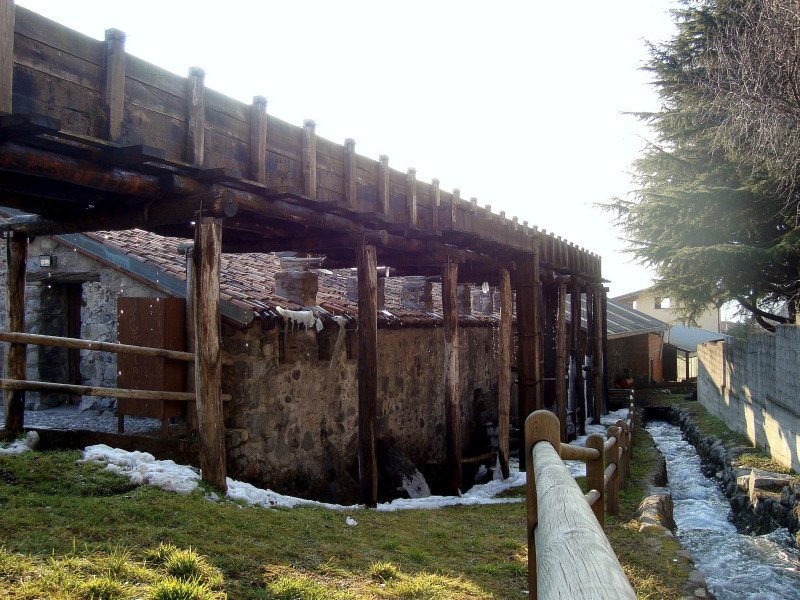
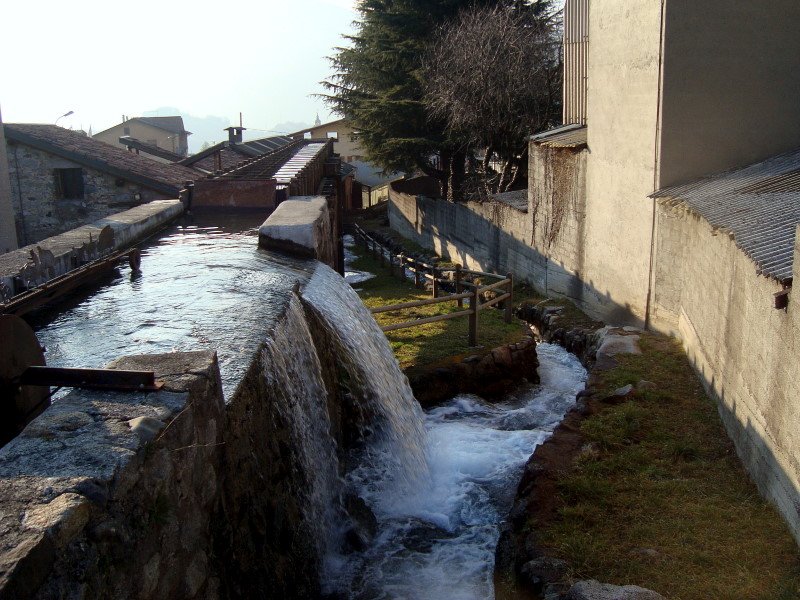
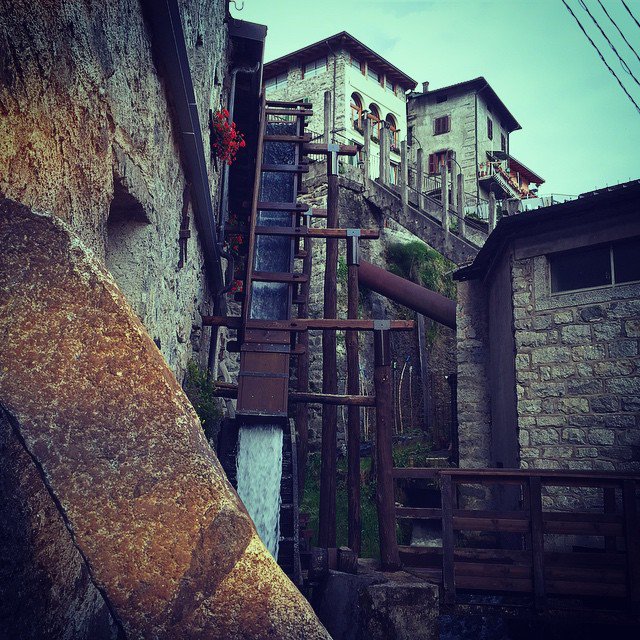
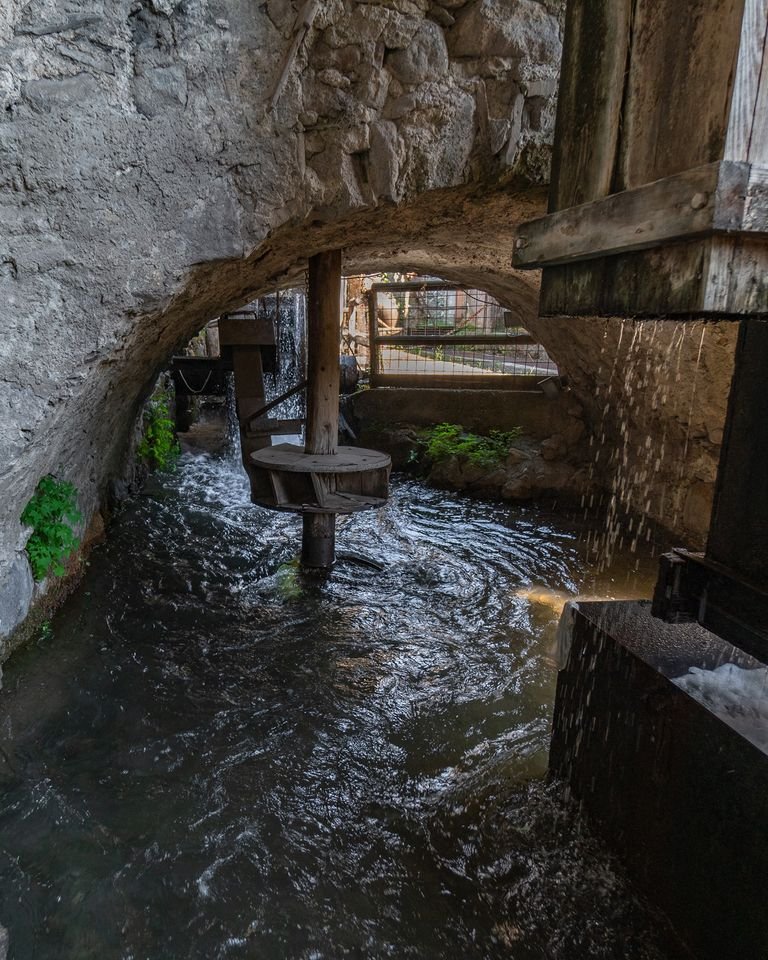
The ecomuseum is traversed by the Vaso Ré, an artificial canal that for nearly a millennium has diverted water from the Grigna stream, returning it downstream after passing through the houses and alleys—sometimes on the surface via a wooden conduit, sometimes hidden in underground passages.
For years, the power of water has provided the energy needed to drive the hammers of the forges, the millstones of the mills, and the blades of the sawmills.
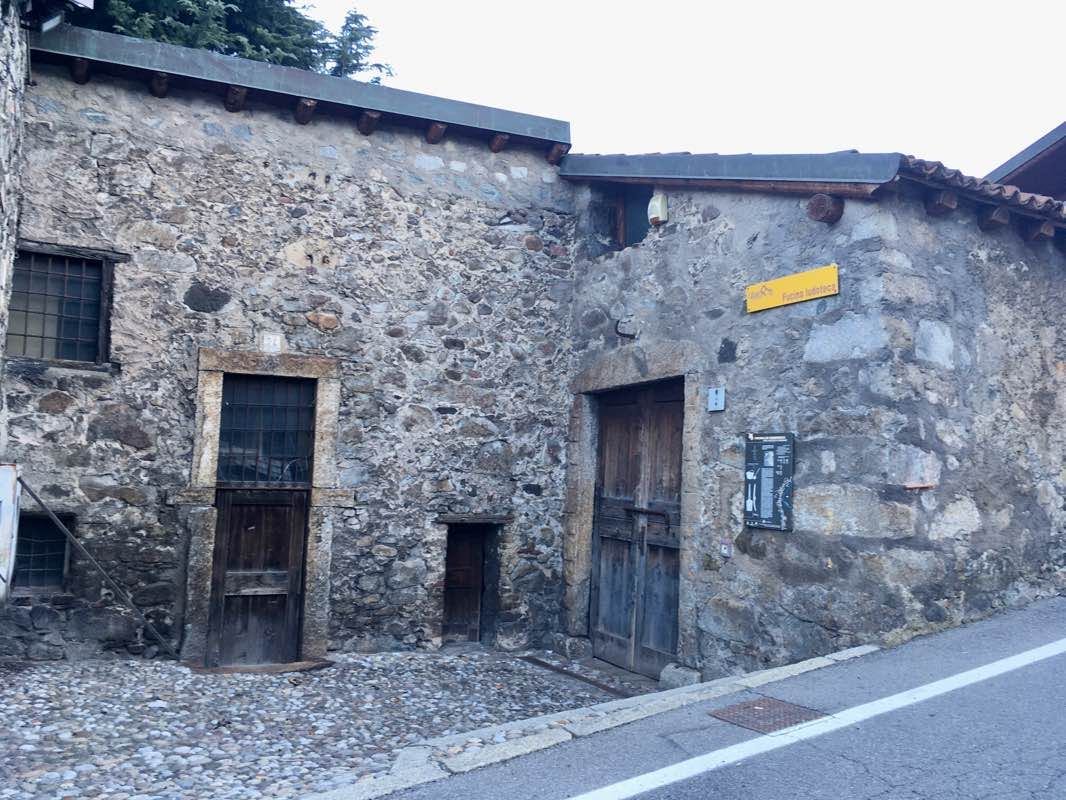
The ecomuseum is dedicated to various demo-ethno-anthropological themes. The craft of ironworking, well-documented by the local museum system, is highlighted and preserved in the most significant sites of ironworking: the Ethnographic Museum, with its ancient water-powered hammers, demonstrations of traditional ironworking methods, the forge-playroom for educational activities, the forge-workshop for forging courses, and the forge-exhibition space for art exhibitions and events.
Equally significant is the theme of mountain agriculture and the processing of agricultural products, exemplified by the 15th-century Mill Museum, which is still active for grain milling and houses the miller’s former residence, now transformed into a museum of rural life.
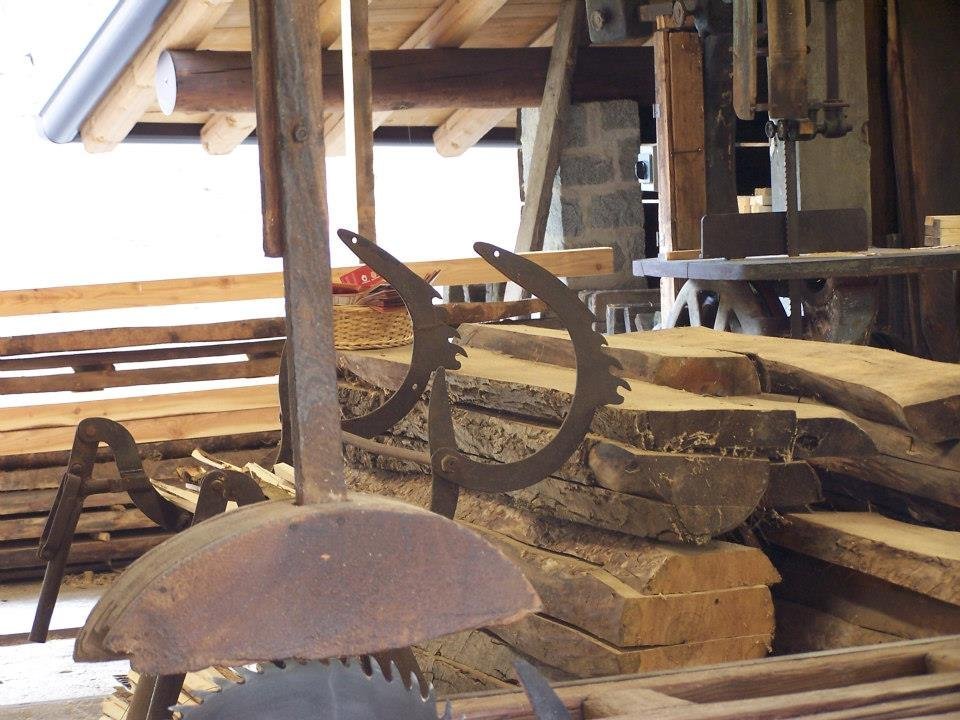
Another element worthy of promotion is the Venetian sawmill in Prestine, which was also originally powered by the waters of the Vaso Ré.
The ecomuseum has already carried out extensive work to identify and promote certain aspects of local intangible culture, focusing in particular on themes related to the knowledge and skills of traditional wrought iron craftsmanship and the traditional techniques for processing grains into flour.
In relation to these themes, the tools, objects, artifacts, and cultural spaces associated with them have been identified—those that communities, groups, and individuals recognize as part of their cultural heritage. This intangible cultural heritage, passed down from generation to generation, is constantly recreated by local communities and associations in accordance with their living environment, their interaction with nature, and their history, and provides the local population with a sense of identity and continuity. Much, however, remains to be done regarding the preservation of oral traditions and expressions—including language—as vehicles of intangible cultural heritage, as well as the performing arts, folk songs, social practices, rituals, and festivals. The ecomuseum initiative originated from the local population, which, beginning in the 1970s, launched a series of initiatives that have developed to this day in close collaboration with local institutions. Throughout the year, there are numerous forms of active participation by the local population, associations, and businesses, which culminate in the Market Exhibition—a showcase of visual arts and crafts—the main ecomuseum event organized annually during the last week of August
Educational and teaching programs have also been developed in collaboration with other museums of material culture in the Valle Camonica. The initiative known as “Scoprimuseo,” coordinated by the Valle Camonica Museum Network, conducted a study for the ecomuseum area titled “Water: Energy for Survival”; the participating schools also held specialized workshops at their respective campuses.
Upon reservation, activities tailored for people with disabilities may be arranged.
The museum system is accessible to people with reduced mobility; however, architectural barriers may be present in some areas of the museums.
Visitors to the ecomuseum can follow a guided tour marked by interpretive panels along the Vaso Ré, which winds through the entire village, as well as consult publications for further exploration of the topics. This tour thus highlights a major cultural resource found in the area, one that is unique in the entire province of Brescia. The itinerary offers multiple ways of experiencing it: primarily due to its unique acoustic characteristics, but also through touch. In fact, it can be conceived as a sensory journey in every sense: the water is not just a path to follow, but also a soundtrack to listen to. The route is also self-contained, independent, and self-sufficient: visitors can follow the path outlined by the outdoor panels at the “educational stations” without necessarily visiting the existing cultural sites or museums. The enhancement initiative thus functions as a public service facility, integrating and connecting the existing museum spaces in the area: the “Fucina Museum,” the “Mulino Museum,” “the Forging School,” and the “Playroom.”